
The July 5 Deadline: Last Call for Clean Energy Tax Credits
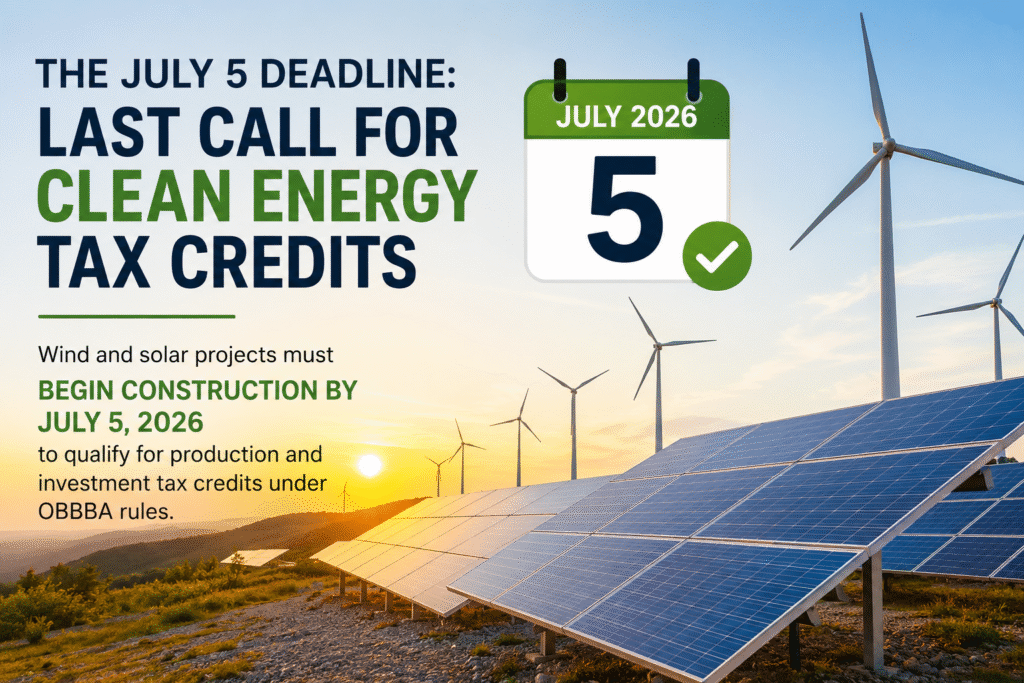
Introduction Investment Tax Credit (ITC) remains one of the most valuable federal incentives for renewable energy developers. As the July 2026 deadline approaches, wind and solar projects must understand the latest eligibility rules, compliance requirements, and construction deadlines to qualify for federal clean energy tax incentives. The renewable energy sector is approaching one of its […]
Air Passenger Duty (APD) and Departure Taxes: The Hidden Cost Behind Every Flight
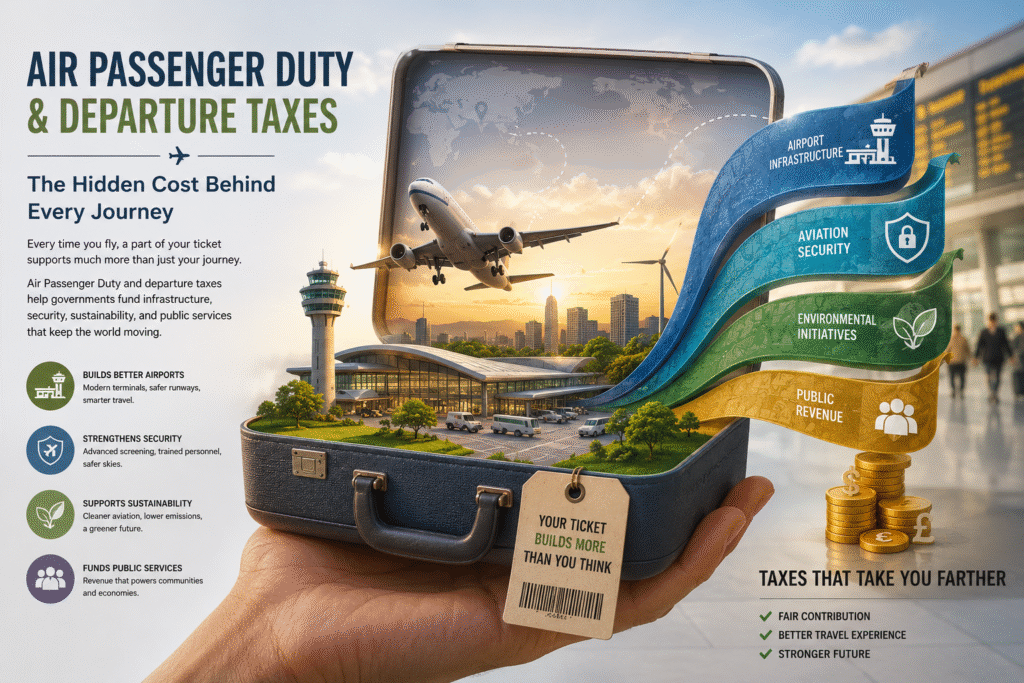
Introduction When booking flights, travelers often compare prices, schedules, baggage policies, and airline services. However, many don’t realize that a large part of the ticket price doesn’t actually go to the airline itself. Within the fare are government-imposed charges, with Air Passenger Duty (APD) and departure taxes among the most significant. These fees can considerably increase travel costs, affect […]
Goods and Services Tax (GST) on Airline Tickets: Understanding the Tax Structure Behind Air Travel

Introduction When passengers book an airline ticket, the final amount paid often differs significantly from the advertised base fare. Taxes, airport charges, convenience fees, and regulatory levies contribute to the total cost of air travel. Among these components, the Goods and Services Tax (GST) plays a crucial role in determining ticket prices in India. Introduced […]
Can Farmers Become Carbon Millionaires? How Carbon Credits Could Create the Next Agricultural Revolution

Introduction: The Next Gold Rush May Be Hidden Beneath Our Feet For generations, farmers have been the backbone of economies, feeding billions while facing unpredictable weather, fluctuating market prices, rising input costs, and shrinking profit margins. Today, a new opportunity is emerging—one that could fundamentally transform agriculture. What if farmers could earn money not only from […]
Illegal Occupation of Agricultural Land: Legal Remedies Every Farmer Should Know
Protecting the Land That Protects the Nation Agricultural land is not merely a piece of property. For millions of farming families, it represents generations of hard work, financial security, cultural identity, and the foundation of their livelihood. A farmer’s land provides: However, one of the biggest challenges faced by landowners, especially farmers, is illegal occupation of agricultural land. […]
Tax Justice in Transportation: Should Private Vehicles Pay More?
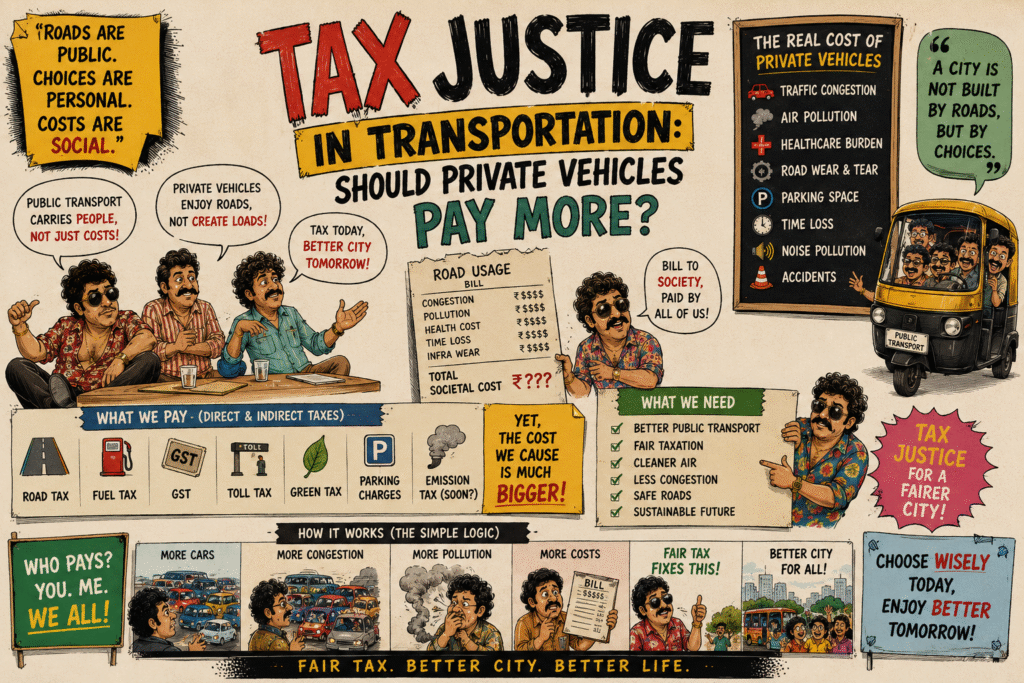
Understanding the Economic, Legal, and Social Case for Fair Transportation Taxation Introduction Transportation is the backbone of every modern economy. It connects people to jobs, businesses to markets, students to schools, and communities to opportunities. Yet, as cities grow and private vehicle ownership continues to rise, governments around the world face a difficult challenge: how […]
Why Tax Decisions Must Ultimately Originate from Elected Representatives
In every constitutional democracy, taxation is far more than a financial mechanism used by governments to raise revenue. It is one of the most powerful expressions of state authority over citizens. Through taxation, the state gains access to the wealth, labor, earnings, property, and economic activities of individuals and businesses. Because this power directly affects […]
Authority Comes from Law, Not Office: Why a Tax Officer Cannot Tax Without Legal Backing

In every constitutional democracy, government officials exercise significant powers that affect the lives, businesses, and finances of citizens. Tax officers assess taxes, revenue authorities collect government income, and administrative agencies enforce regulations. However, a critical constitutional principle often overlooked is that public officials do not possess unlimited power merely because they hold an office. Their authority exists only […]
Article 265: The Constitutional Shield Against Arbitrary Taxation

Introduction Taxation is the lifeblood of any modern state. Governments require revenue to provide public services, build infrastructure, maintain law and order, and ensure economic development. However, the power to tax is also one of the most significant powers a government possesses. Without constitutional limitations, taxation could easily become arbitrary, excessive, or discriminatory. Recognizing this […]
The Constitution as the Foundation of State Revenue: Legalizing, Limiting, and Legitimizing the Power to Tax
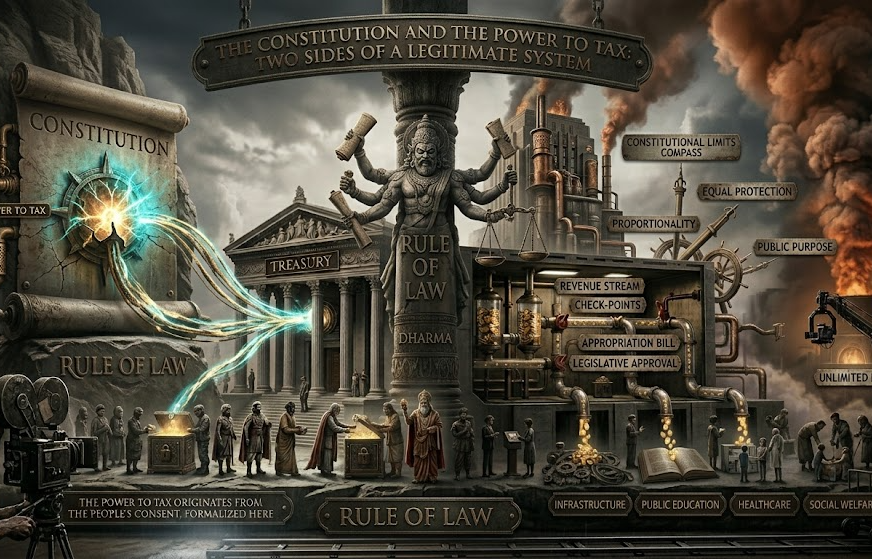
In every modern democracy, the State requires financial resources to function effectively. Governments build roads, maintain public infrastructure, provide healthcare, support education, strengthen national security, administer justice, and implement welfare programs—all of which require substantial revenue. However, an important constitutional question arises: Where does the State derive its authority to collect money from citizens? The answer lies in […]