
What to Do If You Become a Victim of Online Fraud

Introduction What to Do If You Become a Victim of Online Fraud is an important topic for individuals and businesses in 2026 as cybercriminals continue to use sophisticated methods to steal money, personal information, and sensitive business data. Online fraud can occur through phishing emails, fake websites, identity theft, investment scams, online shopping fraud, social […]
How AI Is Changing the Legal Profession in 2026
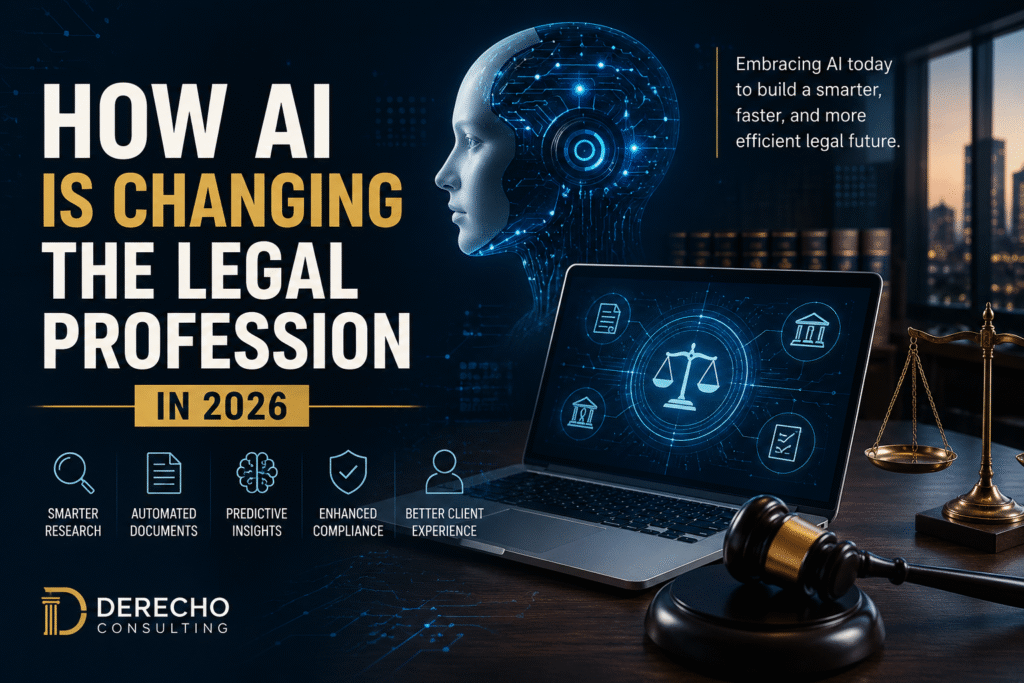
Introduction How AI Is Changing the Legal Profession in 2026 has become one of the most significant topics in the legal industry as artificial intelligence continues to transform how legal professionals deliver services, manage cases, conduct research, and support clients. Law firms, corporate legal departments, and legal consultants are increasingly adopting AI-powered technologies to improve […]
Contract Management Best Practices for Growing Businesses
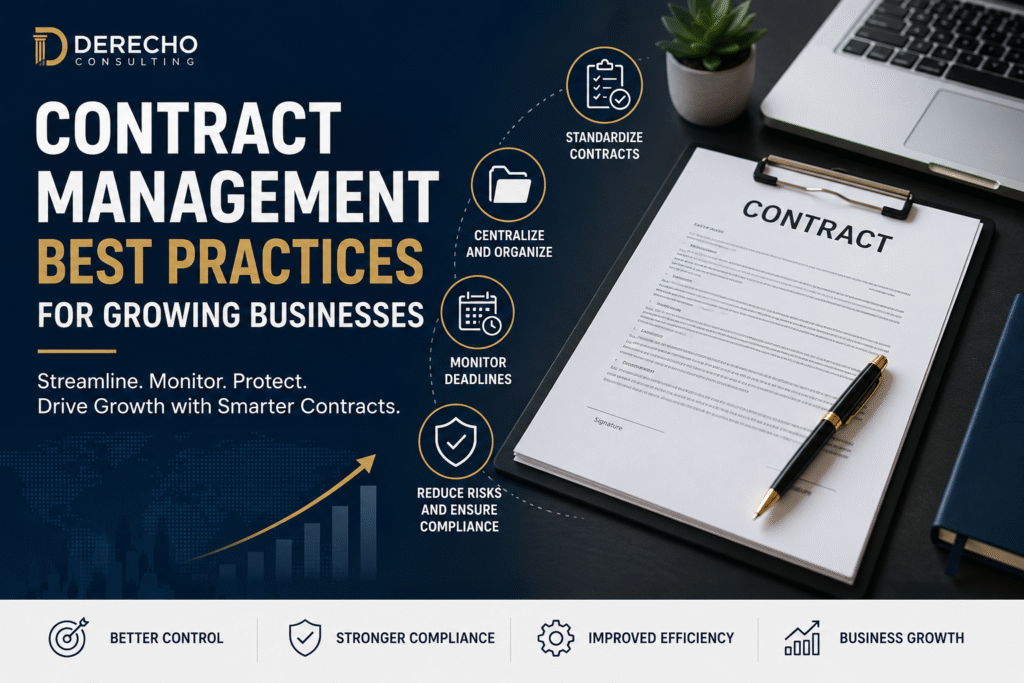
Introduction Contract Management Best Practices for Growing Businesses have become increasingly important as organizations expand their operations, build new partnerships, and manage complex business relationships in 2026. Contracts form the legal foundation of every business transaction, defining the rights, responsibilities, and obligations of all parties involved. Poor contract management can lead to missed deadlines, financial […]
Trademark Registration Mistakes Businesses Should Avoid
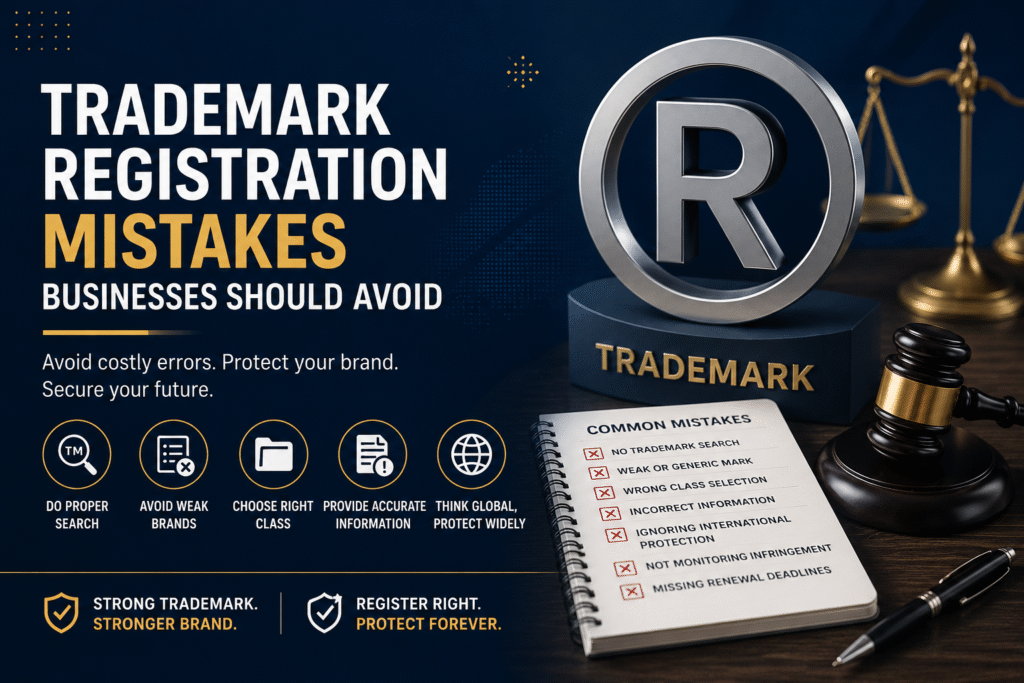
Introduction Trademark Registration Mistakes Businesses Should Avoid is an essential topic for businesses seeking to protect their brand identity and intellectual property in 2026. A trademark is one of a company’s most valuable assets, helping customers recognize its products and services while distinguishing the business from competitors. However, many organizations make avoidable mistakes during the […]
Data Privacy Compliance Trends Every Business Should Watch
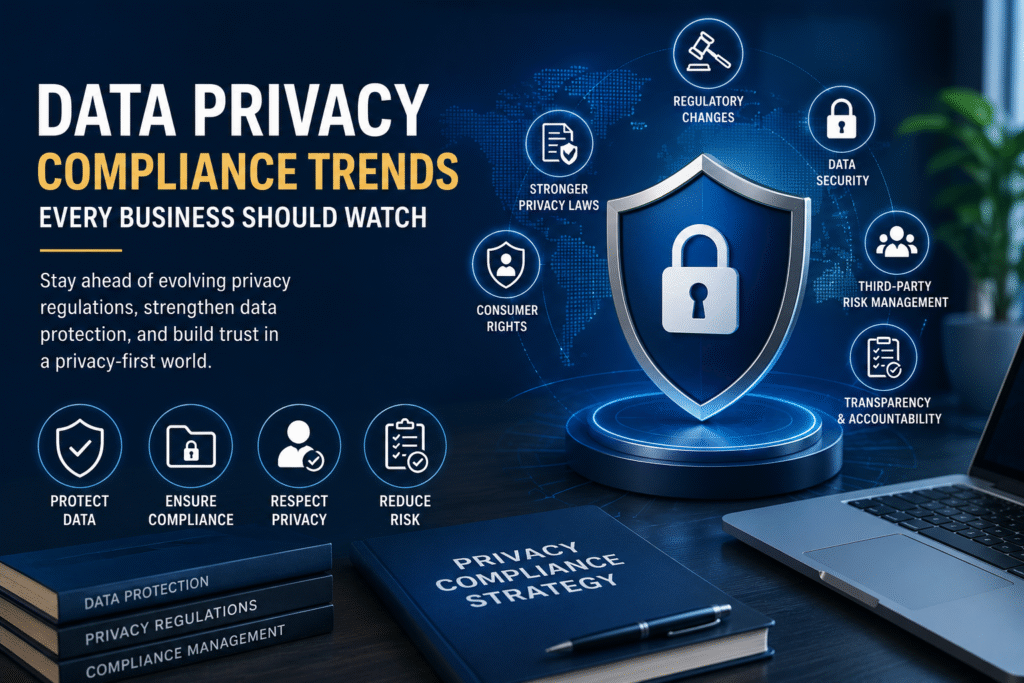
Introduction Data Privacy Compliance Trends Every Business Should Watch are becoming increasingly important as organizations face evolving privacy regulations and growing consumer expectations in 2026. Businesses collect and process large volumes of personal information through websites, mobile applications, cloud platforms, digital services, and connected technologies. As a result, governments worldwide continue to strengthen data privacy […]
How to Protect Business Innovations Legally

Introduction How to Protect Business Innovations Legally is an important question for businesses in 2026 as innovation continues to drive competitive advantage across industries. Whether developing new products, software, technologies, business processes, or creative content, organizations must take the right legal steps to protect their valuable intellectual property. Without proper legal protection, business innovations may […]
Legal Challenges of AI Adoption for Businesses in 2026
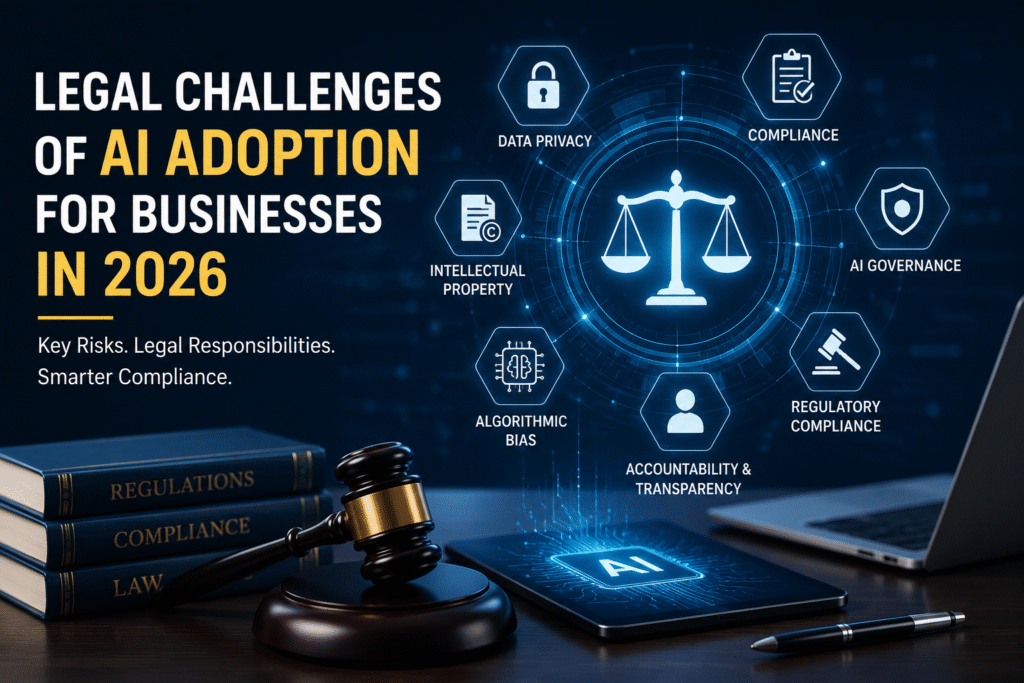
Introduction Legal Challenges of AI Adoption for Businesses are becoming one of the biggest concerns for organizations in 2026. As Artificial Intelligence becomes part of daily business operations, companies are using AI to automate workflows, improve customer service, analyze data, and support decision-making. However, adopting AI also introduces new legal responsibilities related to privacy, cybersecurity, […]
Legal Requirements for Starting a Business in 2026
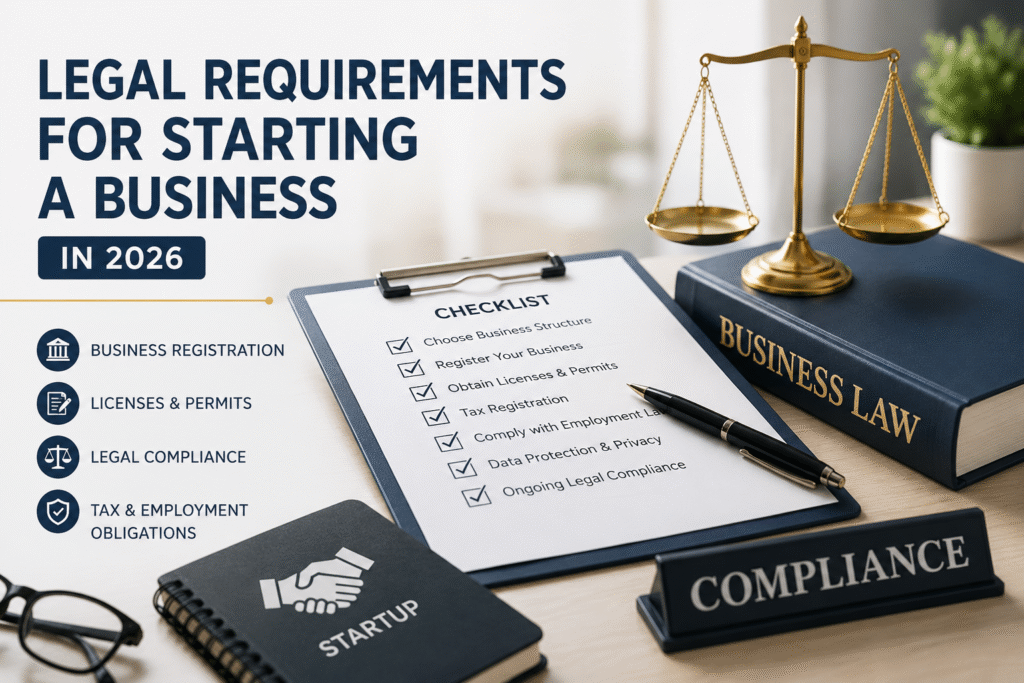
Introduction Legal Requirements for Starting a Business are more important than ever in 2026 as entrepreneurs must meet legal obligations before launching a new business. From choosing the right business structure and registering the company to obtaining licenses, meeting tax obligations, and complying with employment and privacy laws, every step plays a vital role in […]
Consumer Data Protection Laws Every Business Should Know
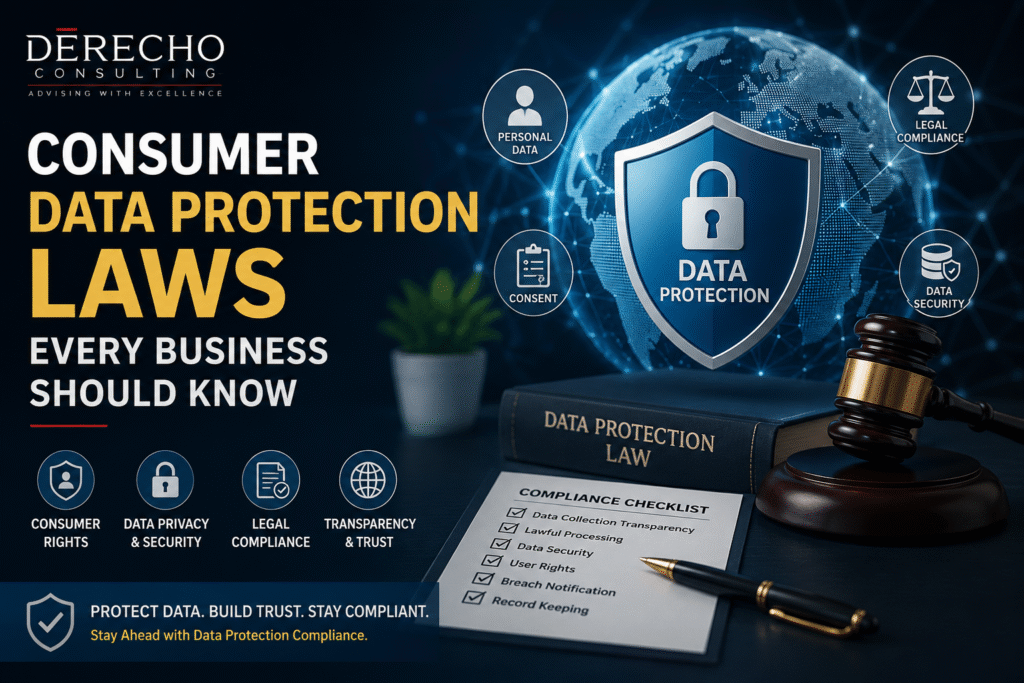
Introduction Consumer data has become one of the most valuable assets for businesses. As a result, data protection has become a top legal and operational priority in 2026.As organizations collect increasing amounts of personal information through websites, mobile applications, online services, and digital transactions, governments continue to strengthen consumer data protection laws to ensure greater […]
Legal Risks of Artificial Intelligence Every Business Should Know
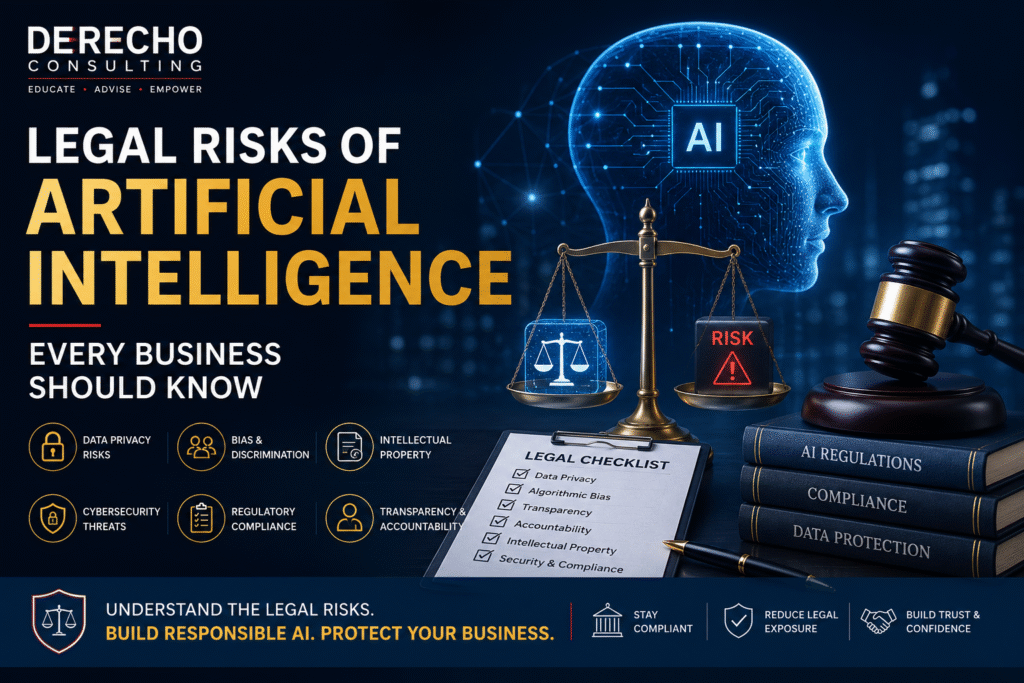
Introduction Legal Risks of Artificial Intelligence are becoming a major concern for businesses in 2026 as organizations increasingly adopt AI technologies for decision-making, automation, customer service, and data analysis. Understanding these legal risks is essential for maintaining compliance, protecting sensitive information, reducing regulatory exposure, and building responsible AI governance. Governments and regulatory authorities across the […]