
Sexual Harassment Complaint Process (Step-by-Step)
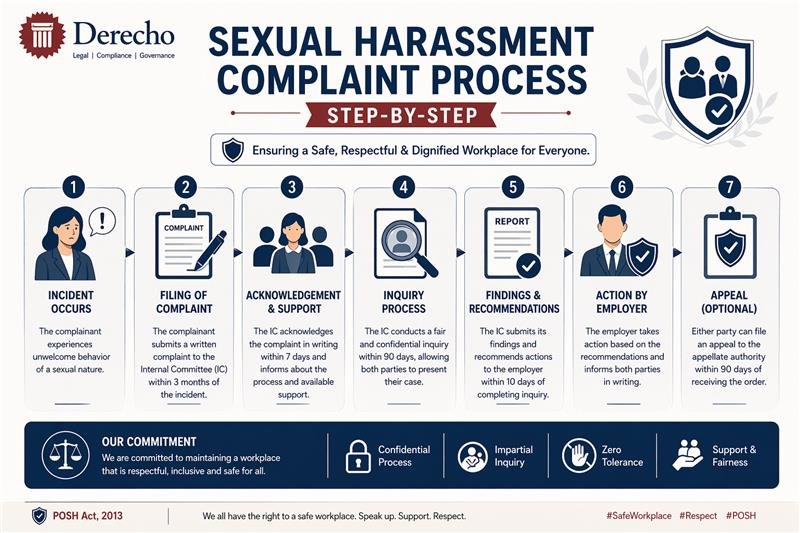
The Sexual Harassment Complaint Process ensures a safe and respectful workplace by providing a structured mechanism to address complaints of harassment. In India, this is governed by the Sexual Harassment of Women at Workplace (Prevention, Prohibition and Redressal) Act, 2013 (POSH Act). What is Sexual Harassment? Sexual harassment includes: Applicability of POSH Act Internal Complaints Committee (ICC) Every eligible organization must: […]
Corporate Social Responsibility (CSR) Compliance Basics
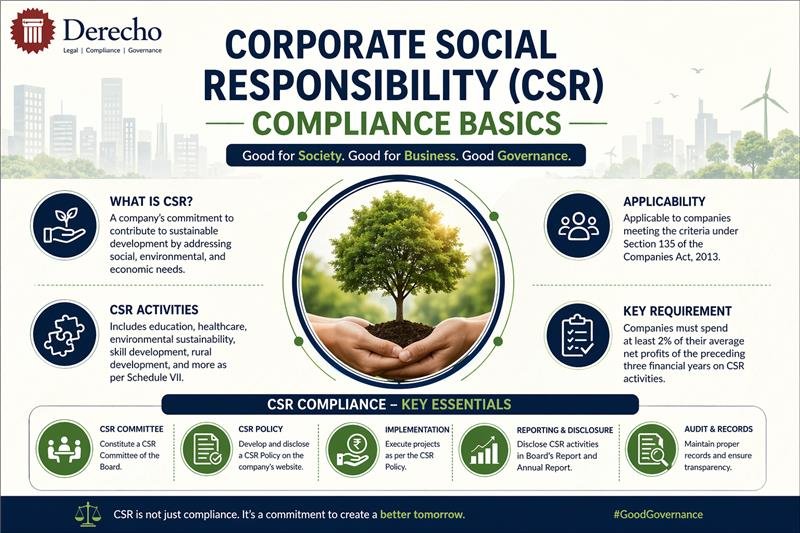
Corporate Social Responsibility (CSR) refers to a company’s obligation to contribute towards social, environmental, and economic development. In India, CSR is not just voluntary—it is a statutory requirement for eligible companies under the Companies Act, 2013 (Section 135). What is CSR? CSR means: Applicability of CSR CSR provisions apply to companies meeting any of the following: CSR Spending Requirement Eligible […]
Role of Company Secretary in Compliance

A Company Secretary (CS) plays a crucial role in ensuring that a company complies with all legal, regulatory, and corporate governance requirements. They act as a bridge between the company, its board of directors, shareholders, and regulatory authorities. In India, the role of a Company Secretary is governed under the Companies Act, 2013 and regulated by the Institute of Company Secretaries of India […]
Venture Capital Funding: Legal Due Diligence Checklist

Legal Due Diligence in Venture Capital (VC) Funding is the process where investors verify a startup’s legal, financial, and operational standing before investing. It helps identify risks, validate claims, and ensure compliance with Indian laws. In India, VC due diligence is guided by laws such as the Companies Act, 2013, Foreign Exchange Management Act, 1999, and applicable tax […]
Set-off and Carry Forward of Losses Under Income Tax

The concept of set-off and carry forward of losses allows taxpayers to adjust their losses against income, thereby reducing tax liability. It is an important tax planning tool under the Income Tax Act, 1961. What is Set-off of Losses? Set-off means adjusting losses against income in the same financial year. Types of Set-off: What is […]
Reassessment Notice Under Section 148 Explained
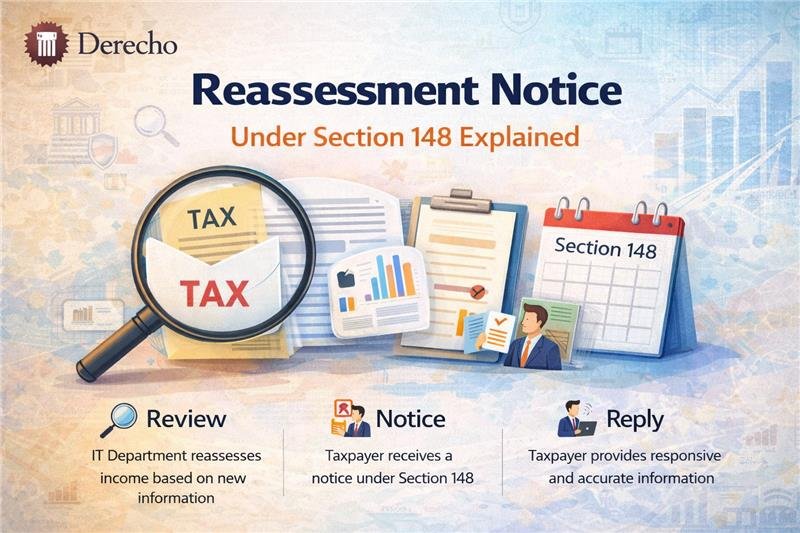
A Reassessment Notice under Section 148 is issued by the Income Tax Department when it believes that a taxpayer’s income has escaped assessment (i.e., not reported or underreported in earlier returns). This process is governed under the Income Tax Act, 1961, specifically Sections 147 to 151. What is Section 148 Notice? A notice under Section 148 is: Why is a Reassessment […]
IP Due Diligence for Startups
IP Due Diligence refers to the process of identifying, verifying, and evaluating a startup’s Intellectual Property (IP) assets to ensure legal ownership, protection, and compliance. It is especially important during funding, mergers, acquisitions, or partnerships. In India, IP rights are governed under laws such as the Patents Act, 1970, Trade Marks Act, 1999, and Copyright Act, 1957. What is IP Due Diligence? It […]