
Tax Justice in Transportation: Should Private Vehicles Pay More?
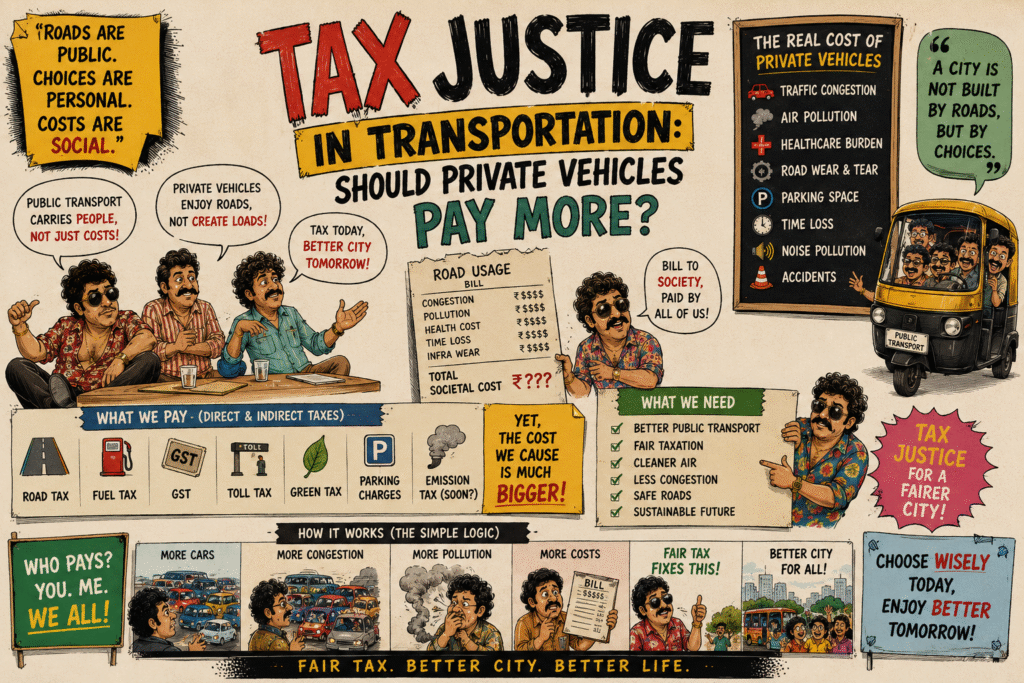
Understanding the Economic, Legal, and Social Case for Fair Transportation Taxation Introduction Transportation is the backbone of every modern economy. It connects people to jobs, businesses to markets, students to schools, and communities to opportunities. Yet, as cities grow and private vehicle ownership continues to rise, governments around the world face a difficult challenge: how […]
Citizen Rights vs Government Powers: Finding the Balance That Sustains Democracy

Introduction: The Eternal Constitutional Question Every civilization, from ancient kingdoms to modern democracies, has struggled with a fundamental question: How much power should a government possess, and how much freedom should citizens retain? This is not merely a political debate. It is one of the most important questions in law, governance, economics, and human civilization. Too much […]
Transportation Laws: Protecting Lives, Property, and Infrastructure
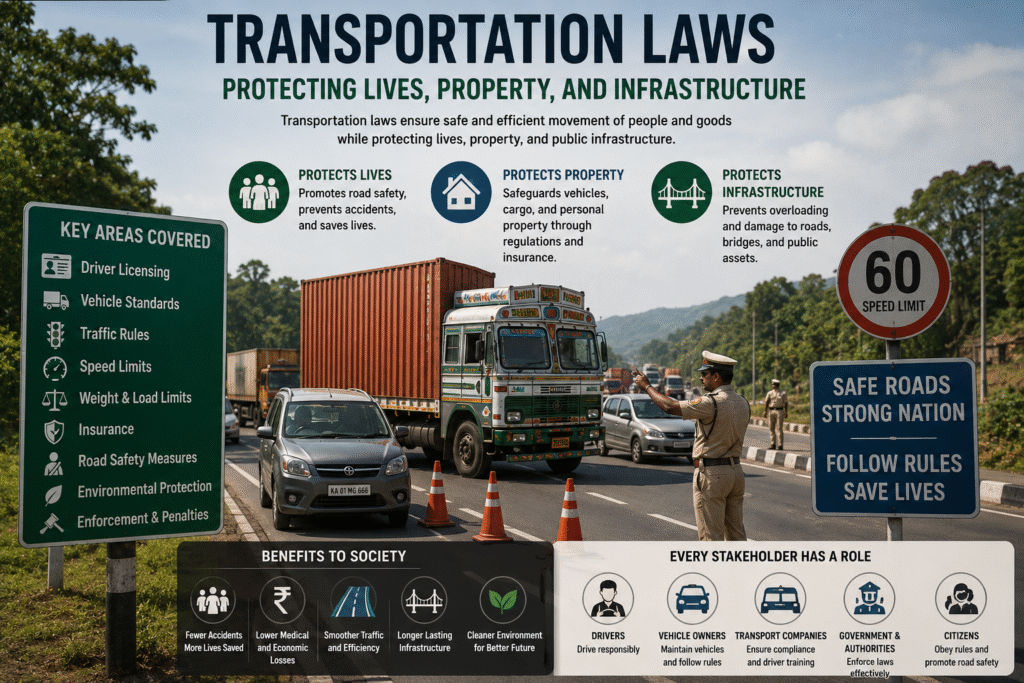
Every day, millions of people travel on roads, highways, railways, waterways, and air routes. Goods worth billions of dollars move across cities, states, and nations, connecting producers to consumers and enabling economic growth. Transportation has become so deeply integrated into modern life that most people rarely stop to consider the legal framework that makes safe […]
The Legal Foundation of Vehicle Overloading Control: Sections 113, 114, and 194 of the Motor Vehicles Act, 1988

Why the Law Draws a Line on Vehicle Weight Every day, thousands of trucks travel across India’s highways carrying goods that fuel industries, support businesses, and connect consumers with products. From agricultural produce and construction materials to industrial equipment and consumer goods, road transportation forms the backbone of India’s economy. However, the efficiency of transportation […]
Navigating the Legalities of Importing Luxury Cars: A Point of Law Perspective
Introduction The importation of luxury cars is often viewed through the lens of consumer preference, wealth, and automotive enthusiasm. However, from a legal standpoint, the importation of high-value vehicles presents important questions regarding taxation, customs regulation, sovereign authority, and statutory compliance. Every imported luxury vehicle enters a jurisdiction subject to the authority of law. The importer’s right to bring […]
AI Governance & Compliance in 2026: The Legal Blueprint Every Business Needs
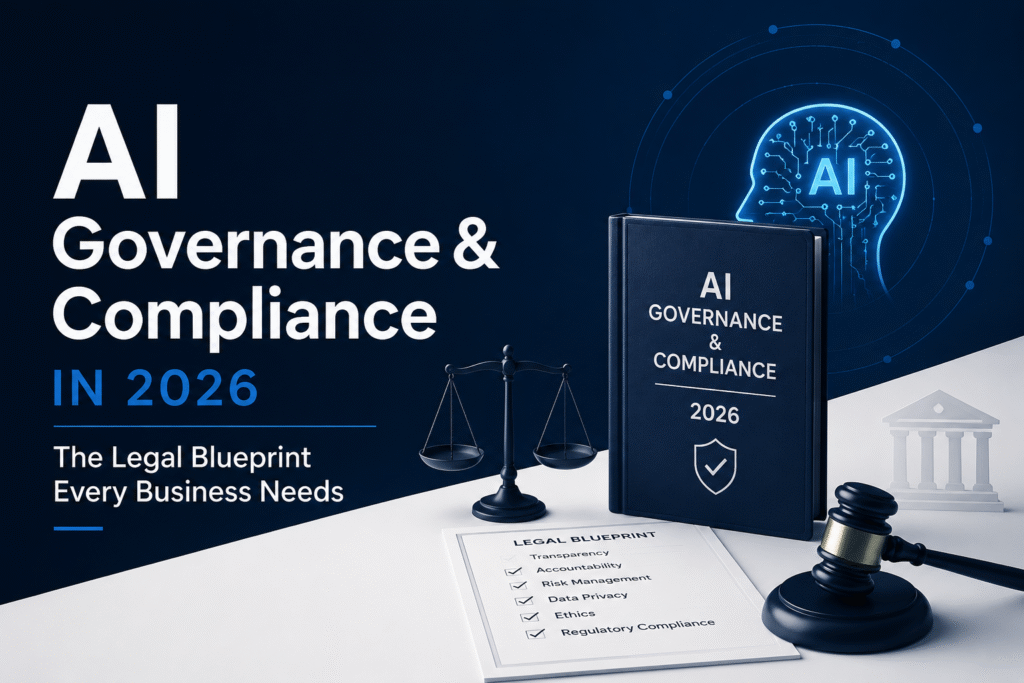
Introduction Artificial Intelligence (AI) is no longer an emerging technology reserved for large technology companies. It has become a core business tool used by startups, SMEs, multinational corporations, financial institutions, healthcare providers, legal teams, and government agencies. From customer support chatbots and predictive analytics to automated contract review and hiring systems, AI is transforming the […]
Why Are Taxes So High on Imported Cars?
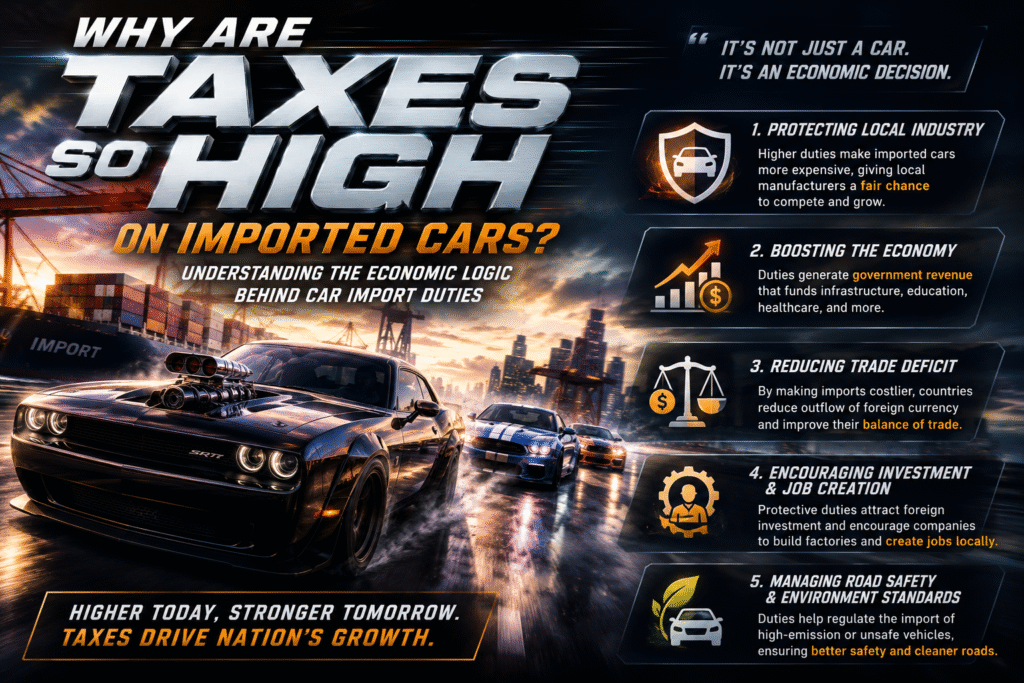
Understanding the Economic Logic Behind Car Import Duties Every automobile enthusiast has wondered at some point: “Why does a car that costs ₹30 lakhs abroad become ₹70 lakhs or more after entering another country?” The answer lies in taxation, economic policy, industrial protection, and national development strategies. Imported cars are not taxed heavily without reason. […]
Why Tax Decisions Must Ultimately Originate from Elected Representatives
In every constitutional democracy, taxation is far more than a financial mechanism used by governments to raise revenue. It is one of the most powerful expressions of state authority over citizens. Through taxation, the state gains access to the wealth, labor, earnings, property, and economic activities of individuals and businesses. Because this power directly affects […]
Authority Comes from Law, Not Office: Why a Tax Officer Cannot Tax Without Legal Backing

In every constitutional democracy, government officials exercise significant powers that affect the lives, businesses, and finances of citizens. Tax officers assess taxes, revenue authorities collect government income, and administrative agencies enforce regulations. However, a critical constitutional principle often overlooked is that public officials do not possess unlimited power merely because they hold an office. Their authority exists only […]
The Meaning of “Authority of Law”: The Invisible Foundation of Constitutional Governance

Every functioning government exercises enormous powers. It collects taxes, regulates industries, enforces compliance, acquires land for public purposes, grants licenses, imposes penalties, and maintains law and order. These powers affect the daily lives of citizens and businesses alike. But an important constitutional question arises: What gives the government the legal right to exercise these powers? […]