
Introduction
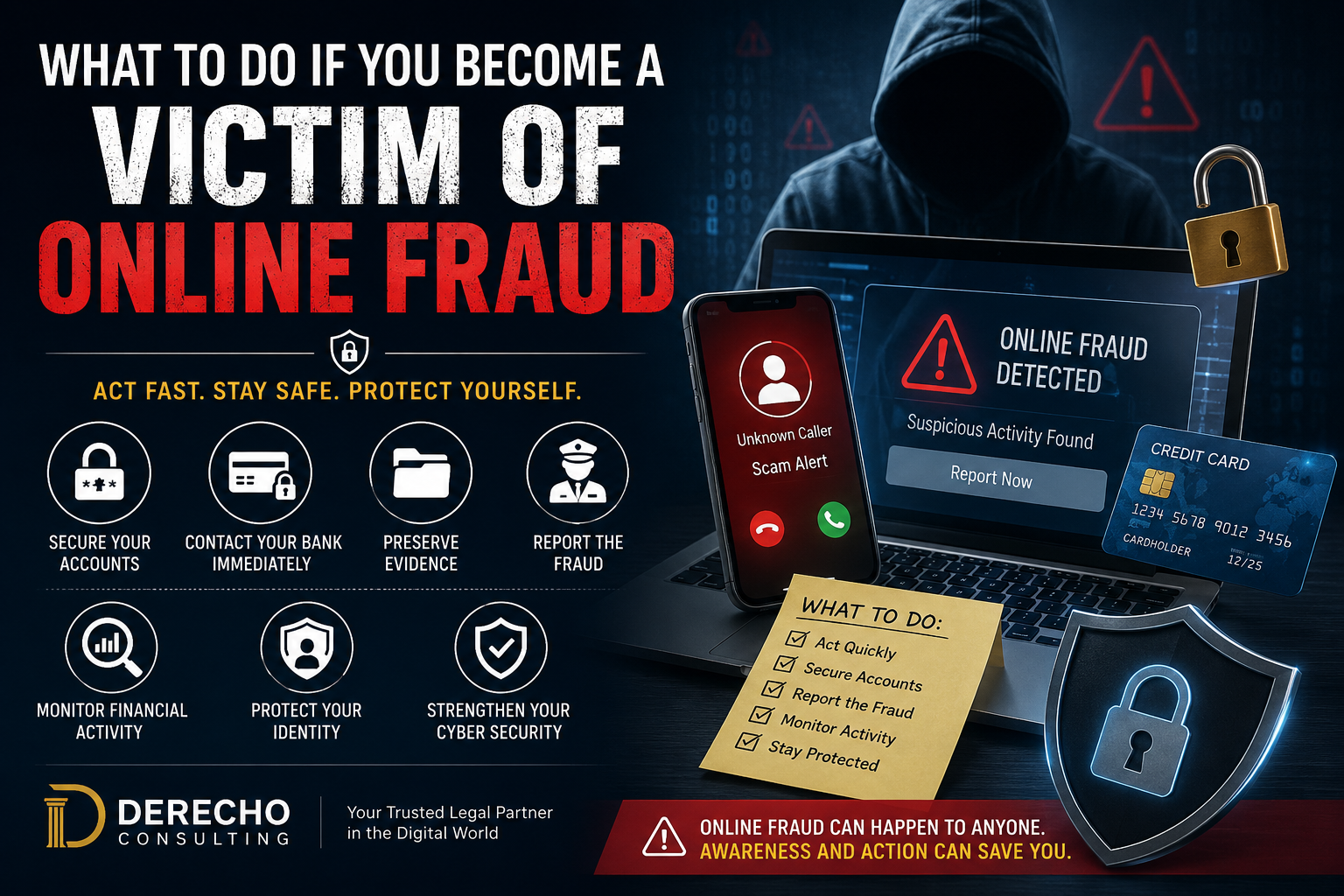
What to Do If You Become a Victim of Online Fraud is an important topic for individuals and businesses in 2026 as cybercriminals continue to use sophisticated methods to steal money, personal information, and sensitive business data. Online fraud can occur through phishing emails, fake websites, identity theft, investment scams, online shopping fraud, social engineering attacks, and unauthorized financial transactions.
Becoming a victim of online fraud can lead to financial losses, identity theft, reputational damage, and legal complications. Acting quickly after discovering fraudulent activity can significantly reduce potential losses and improve the chances of recovering stolen assets or preventing further misuse of personal information.
This guide explains What to Do If You Become a Victim of Online Fraud, outlines the immediate steps victims should take, and provides practical advice for protecting personal and business information against future cyber threats.
Why Acting Quickly Matters
The first few hours after discovering online fraud are often the most critical. Immediate action can help stop unauthorized transactions, secure compromised accounts, preserve evidence, and support investigations conducted by financial institutions and law enforcement agencies.
Prompt reporting also helps reduce the likelihood of additional fraudulent activity.
1. Secure Your Accounts Immediately
If you suspect fraud, immediately change passwords for affected accounts, enable multi-factor authentication (MFA), and sign out of all active sessions.
Businesses should also review user access permissions and monitor for suspicious account activity.
2. Contact Your Bank or Payment Provider
If financial accounts or payment methods have been compromised, contact your bank or payment provider immediately to report unauthorized transactions, freeze affected accounts, and request payment reversals where possible.
Early reporting increases the likelihood of minimizing financial losses.
3. Preserve Evidence
Keep copies of emails, text messages, screenshots, payment confirmations, transaction records, website URLs, and communication with suspected fraudsters.
This information may assist financial institutions, legal advisors, and law enforcement during investigations.
4. Report the Fraud
Victims should report online fraud to the appropriate law enforcement authorities, cybercrime reporting agencies, financial institutions, and relevant regulatory bodies.
Reporting fraud helps authorities investigate criminal activity and may prevent others from becoming victims.
5. Monitor Financial Activity
Regularly review bank statements, credit card transactions, credit reports, and online account activity for signs of additional unauthorized access.
Ongoing monitoring allows victims to detect further fraud quickly.
6. Protect Your Identity
If personal information has been compromised, monitor identity-related activity carefully, update security credentials, and consider additional identity protection services where appropriate.
Taking preventive measures reduces the risk of identity theft.
7. Strengthen Cybersecurity Practices
After recovering from fraud, individuals and businesses should strengthen cybersecurity by using strong passwords, enabling multi-factor authentication, updating software, educating employees, and recognizing phishing attempts.
Improved cybersecurity reduces the likelihood of future attacks.
Best Practices for Preventing Online Fraud
Organizations and individuals should verify website authenticity before making payments, avoid sharing sensitive information through unsolicited communications, regularly update security software, monitor financial accounts, educate employees about cyber threats, and maintain secure backup systems.
A proactive cybersecurity strategy significantly improves protection against evolving online fraud risks.
Conclusion
Understanding What to Do If You Become a Victim of Online Fraud helps individuals and businesses respond quickly and effectively when cybercrime occurs. Immediate action, timely reporting, strong cybersecurity practices, and ongoing account monitoring can reduce financial losses and strengthen long-term digital security.
By staying informed and implementing effective fraud prevention strategies, organizations and individuals can better protect themselves against increasingly sophisticated online threats.