
AI Vulnerability Compliance for Indian Technology Companies
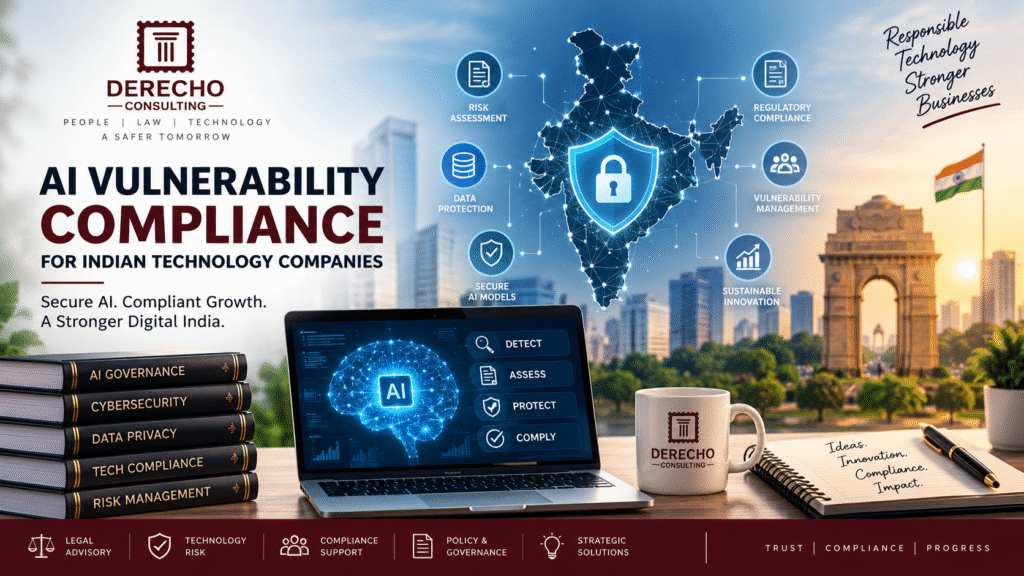
Introduction AI Vulnerability Compliance is becoming an important consideration for Indian technology companies that develop, deploy, integrate, or provide artificial intelligence and machine-learning systems. As AI becomes increasingly connected to applications, APIs, cloud infrastructure, software development environments, enterprise systems, and customer-facing platforms, vulnerabilities in AI systems can create cybersecurity, data-protection, intellectual-property, contractual, and operational risks. […]
Copyright Licensing for Mobile Apps and Digital Platforms in India

Introduction Copyright Licensing is an important legal consideration for mobile apps and digital platforms that create, host, distribute, display, stream, store, or commercialise digital content. Mobile applications and online platforms may use software, photographs, videos, music, illustrations, articles, databases, graphics, icons, user-generated content, and other copyrighted materials. Businesses need to ensure that they have the […]
Regulatory Compliance for Digital Identity and Verification Services
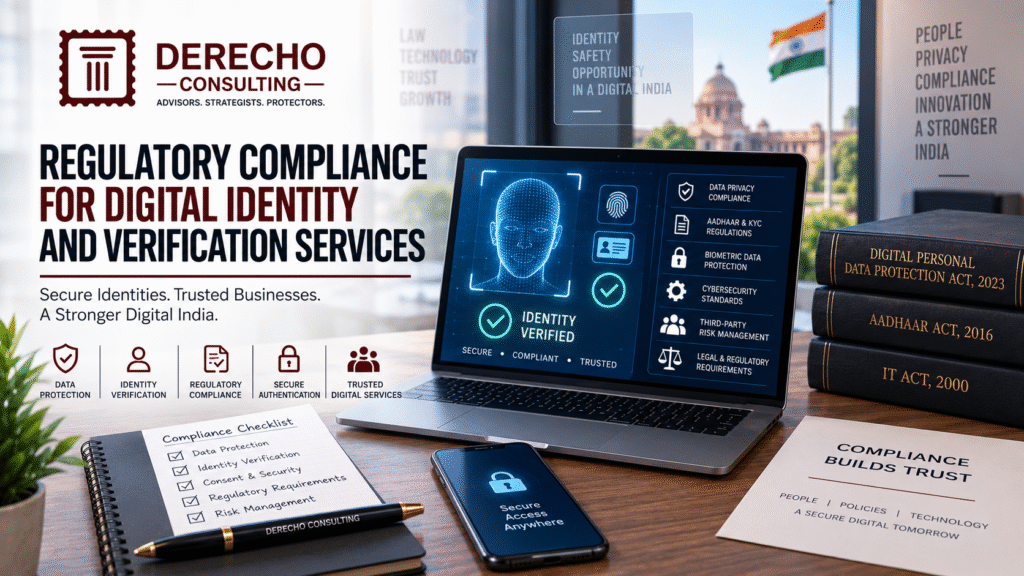
Introduction Digital Identity Compliance is becoming increasingly important for businesses that provide or use digital identity and verification services for customer onboarding, authentication, KYC, employee verification, account access, financial transactions, and other digital services. As organisations increasingly rely on identity documents, biometrics, electronic authentication, and digital verification systems, they need to consider privacy, security, consent, […]
Blockchain-Based Contracts and Legal Enforceability in India

Introduction Blockchain-Based Contracts are increasingly being explored by businesses for transactions involving digital assets, technology services, supply chains, finance, licensing, and other commercial arrangements. Blockchain technology can create tamper-resistant records of transactions and can support automated execution through smart contracts. However, using blockchain technology does not by itself guarantee that an agreement will be legally […]
Trademark Risks of AI-Generated Brand Names and Logos

Introduction Trademark Risks are becoming increasingly important as businesses and technology startups use artificial intelligence tools to generate new brand names, product names, logos, taglines, and other brand assets. AI can help businesses develop branding ideas quickly, but an AI-generated name or logo is not automatically available for commercial use or eligible for trademark protection. […]
Legal Risks of Employee Use of Unapproved AI Tools
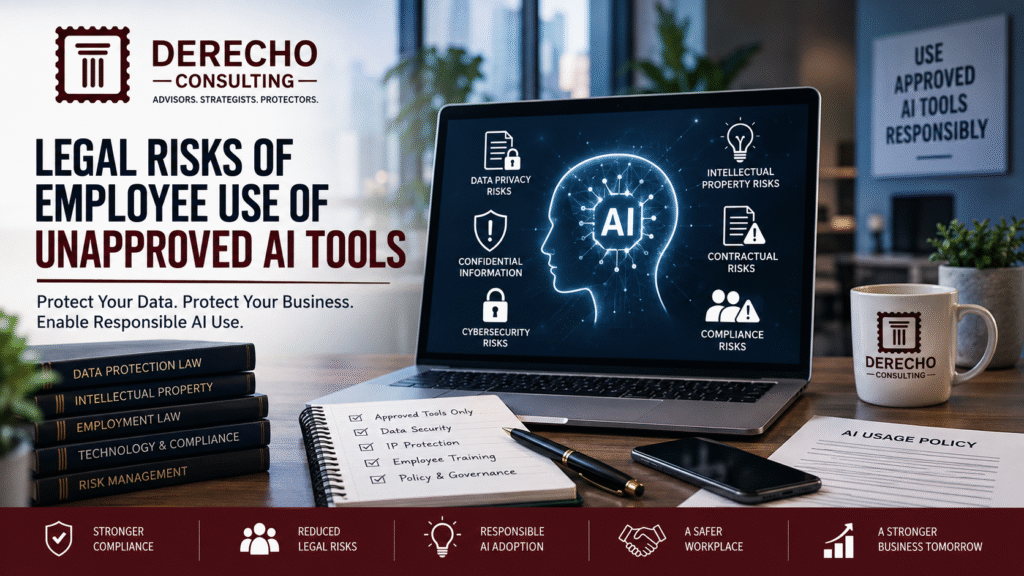
Introduction AI Tool Risks are becoming an important concern for businesses as employees increasingly use generative AI platforms for drafting, research, coding, analysis, marketing, customer support, and other workplace activities. While AI tools can improve productivity, using unauthorised tools without appropriate organisational controls can expose businesses to data-protection, confidentiality, intellectual-property, cybersecurity, contractual, and regulatory risks. […]
Legal Due Diligence for Technology Startups in India
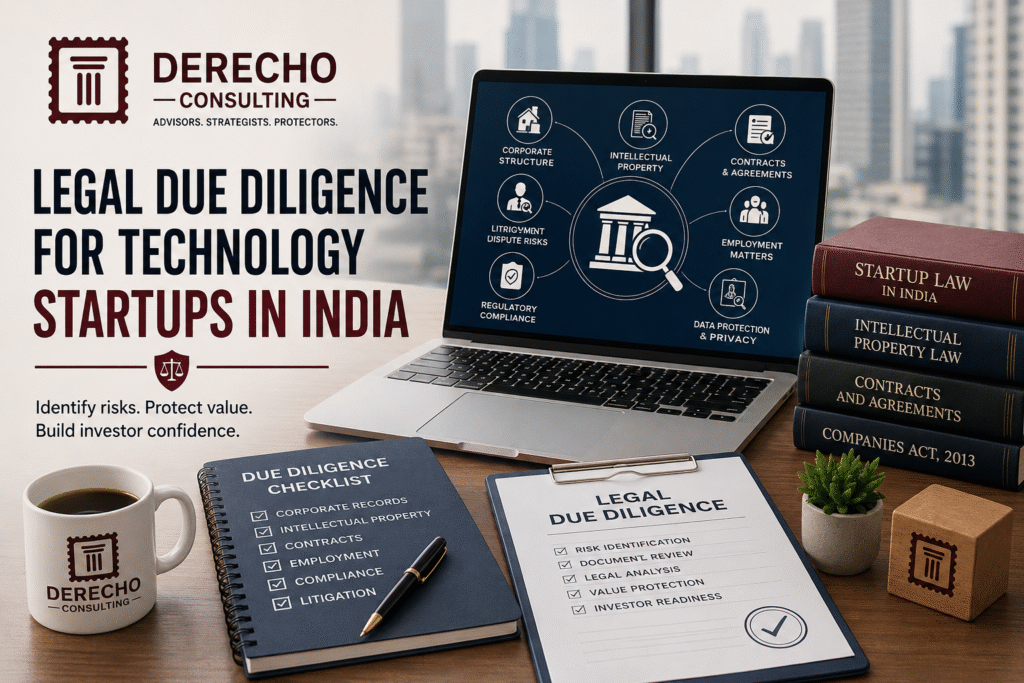
Introduction Legal Due Diligence is an important process for technology startups in India that are preparing for fundraising, acquisitions, strategic partnerships, expansion, or other major business transactions. Startups need to ensure that their corporate records, ownership structure, intellectual property, contracts, employment arrangements, regulatory compliance, and other legal matters are properly documented and managed. A technology […]
Copyright Compliance for OTT and Digital Content Platforms

Introduction Copyright Compliance is an important legal requirement for OTT platforms and digital content businesses that create, acquire, license, distribute, stream, or promote films, web series, music, videos, photographs, scripts, and other digital content. As online streaming continues to expand, platforms need to ensure that the content they make available is properly licensed and that […]
Cybersecurity Obligations for Businesses & Firms
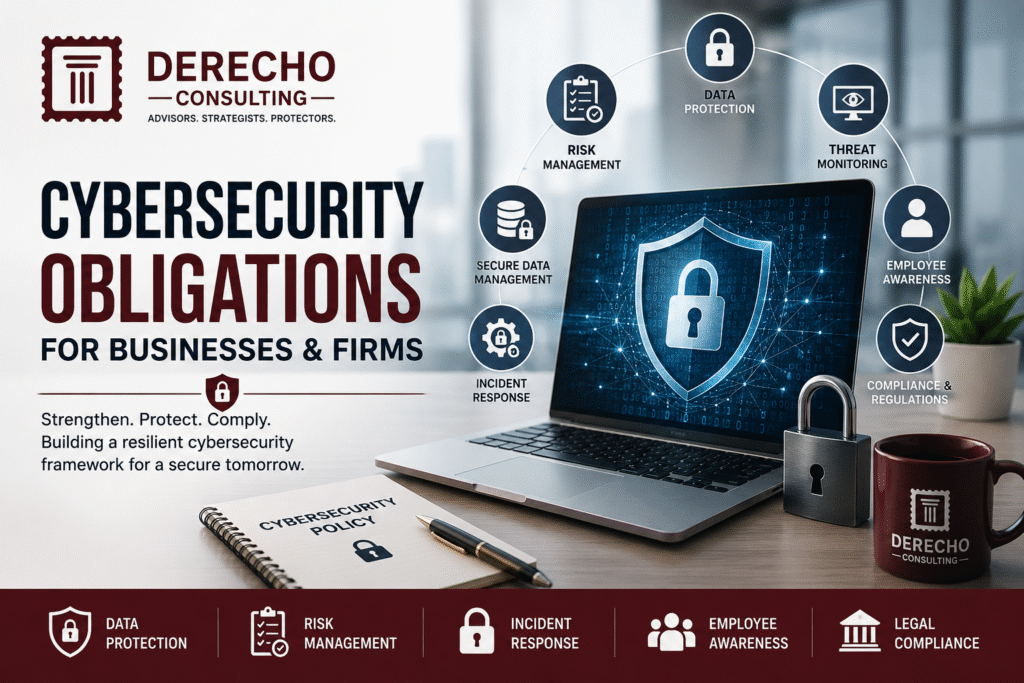
Introduction Cybersecurity Compliance has become an important legal and operational responsibility for businesses and professional firms that collect, process, store, or transmit business and personal data. As cyberattacks, ransomware, phishing, data breaches, and unauthorised access continue to create risks for organisations, businesses need appropriate security measures, incident-response procedures, data-protection controls, and compliance frameworks. In India, […]
Crypto & SEC Regulatory Framework
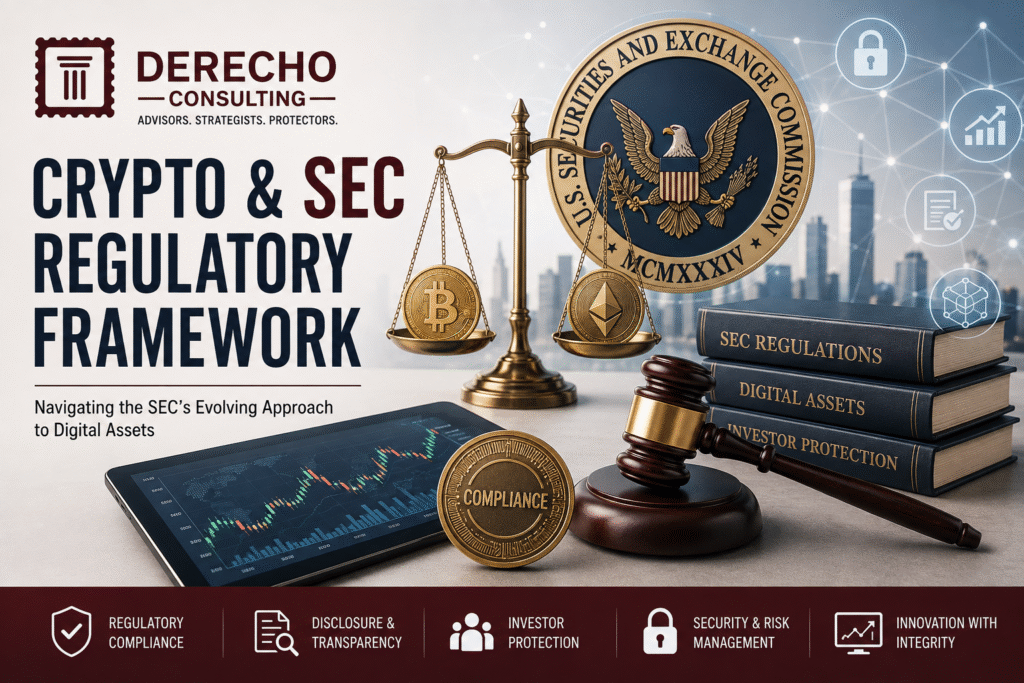
Introduction Crypto Regulatory Compliance has become an important legal consideration as digital assets, blockchain technology, tokenised financial products, and crypto-related businesses continue to develop. The U.S. Securities and Exchange Commission (SEC) has been working toward a more coherent regulatory approach for digital assets, with increasing focus on defining the application of securities laws, investor protection, […]